
Projects

Our Projects
We help support our Romanian friends and partner charity with the following on-going projects
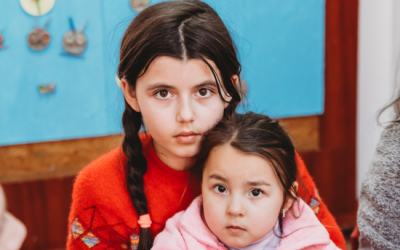
Social scholarships for disadvantaged young people
More and more studies show that the situation of children and young people in rural areas remains severe with the main cause being poverty and lack of economical development and opportunity. Due to poverty, half of the children in the country drop out of school ending...

The Glue Club
Children of disadvantaged families around Bacau struggle to find opportunities for education or social play and support. The Glue Clubs are several day centres within the area that provide safe, friendly and engaging educational activities. Each club provides support...

Home Care for Elderly
Worldwide, the number of people 65 or older is increasing faster than ever. We believe that everyone has the right to a quality of life as they grow older, irrespective of their gender, race, health or economic status. Elderly people deserve to live with dignity, free...

Encouraging active ageing in our day centres
In the “Dr Stefan Ciobanu” day centre we provide a range of services to our beneficiaries. Everyday, around 30 elderly people will spend their time here where they're met with warmth and empathy. The elderly can socialise, receive occupational therapy and participate...

Milly Senior’s Village
The village is made up of several homes, beautiful gardens including vegetable patches and a greenhouse, fish pond, orchard and farm. It's encircled by hills and trees and far away from the stresses of the City, giving its residents the joy of retiring in a...
How you can help
Donate
Fundraising
Shop With Us
Latest News

A New FSC Project & Worthing Shop Sign
New project "Psychologist in the Village" This latest projects is aimed towards helping to shape how the next generation think about important topics. The focus is on every day struggles like young pregnancies, addiction, education and more in both individual and...
FSC Turns 28 and Tricolorului Children’s Festival
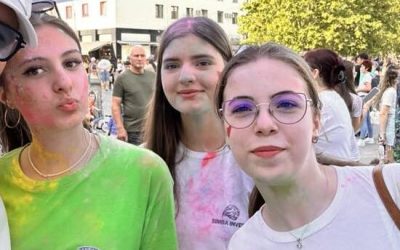
FSC Celebrates 28 Years Every year we grow prouder to be a strong partner of the Community Support Foundation. Your support of our charity directly drives the many projects of the FSC who can efficiently deliver care to vulnerable communities. The last year in numbers...

New Worthing Charity Shop
New Charity Shop in West Sussex opens on 28th April 2025! This month we're excited to announce the opening of our sixth charity shop! This is a fantastic addition to our list of long-standing shops in the South and the first we've ever had in the town. You can find us...